CoA, SDS, TSCA and REACH: the document package that qualifies a chemical supplier
In chemicals the RFQ usually arrives with the specification already written. This page is about what happens before that, and the documents that decide it afterwards.
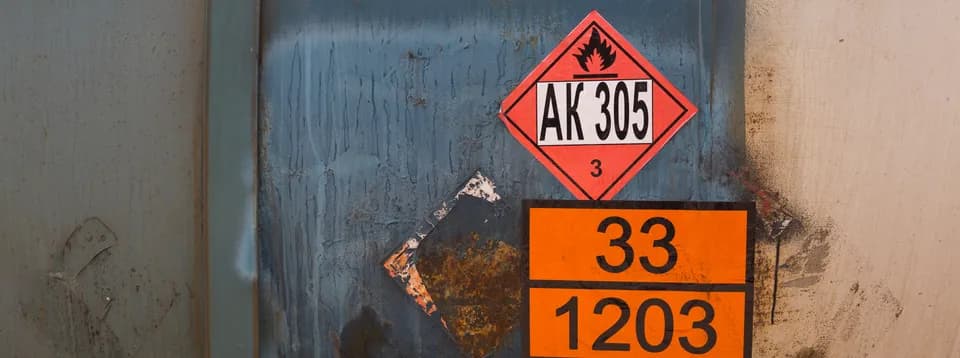
- 1Before contacting any supplier, the procurement team typically writes a technical specification: target purity, physical properties such as viscosity or melting point, the acceptable impurity profile, the required grade (food or pharmaceutical, for example), packaging preference and regulatory alignment such as REACH or TSCA.
- 2The package that qualifies a new supplier: a current certificate of analysis from a representative lot, the safety data sheet, the technical data sheet, ISO 9001, a GMP or pharmacopeial declaration where it applies, and a regulatory alignment document.
- 3For chemicals imported into the US, the substance has to appear on the TSCA Inventory. Under REACH, the downstream user has to confirm that its use is covered as an identified use in the supplier’s registration dossier, and apply the risk management measures in the SDS.
- Whoever writes the specification. Our reading: a supplier that shows up only at the RFQ is competing on price inside a specification someone else helped write. The point of entry is earlier, while the spec is being formed, and that calls for application content rather than a catalogue.
- At the documents: a dated CoA, a current SDS and proof that the buyer’s use is covered, versioned and easy to find.
- In US search data, “reach vs tsca” gets no measurable searches a month even though the question comes up constantly. Our reading: it gets asked inside the company, to regulatory affairs, or to an AI assistant, rather than to a search engine.
A product catalogue with CAS numbers and purity, and nothing behind it. The buyer needs a certificate of analysis from a representative lot, a current SDS and proof that their use is covered by REACH or the TSCA Inventory: live documents, versioned and dated. Our reading of the document list above.
- Marketing operations
A pipeline that records which specifications you were in before the RFQ, and which RFQs arrived closed.
- Brand and content
Application content, plus a documentation page that is versioned and dated, in English and Portuguese.
- Digital presence
Pages written so an AI assistant can quote them accurately, since in this sector the regulatory question often goes there first.
- Strategy
Positioning aimed at the stage where the specification is written, not only at the RFQ.
ABIQUIM, the Brazilian chemical industry association, reports exports to the US falling from about US$2.2 billion to about US$1.8 billion, and in July 2026 it formally asked for the sector to be excluded from the proposed Section 301 tariff. The final notice of 20 July did not exclude the sector: only certain listed products are exempt, some of them only for pharmaceutical use. The rates in force are on the dated trade page.
Current tariff status, dated- ChemHubs: the chemical sourcing process
- Right Path Industrial: chemical supplier documents checklist
- Datacor: chemical procurement best practices
- iPoint: TSCA
- Acessa: ABIQUIM on exports to the US (July 2026)
- Federal Register 2026-14542: Section 301 notice of action on Brazil, exemptions and comments (20 July 2026)
- Diário do Grande ABC: ABIQUIM asks for the chemical sector to be excluded from the tariff
Research reviewed 25 September 2026. Figures marked as sourced come from the documents listed here; statements introduced as our reading are ours.
Start with how you sell today.
A 30-minute call. You describe the commercial process as it runs now, and we tell you whether an examination is warranted, or that we are not the right firm for it.